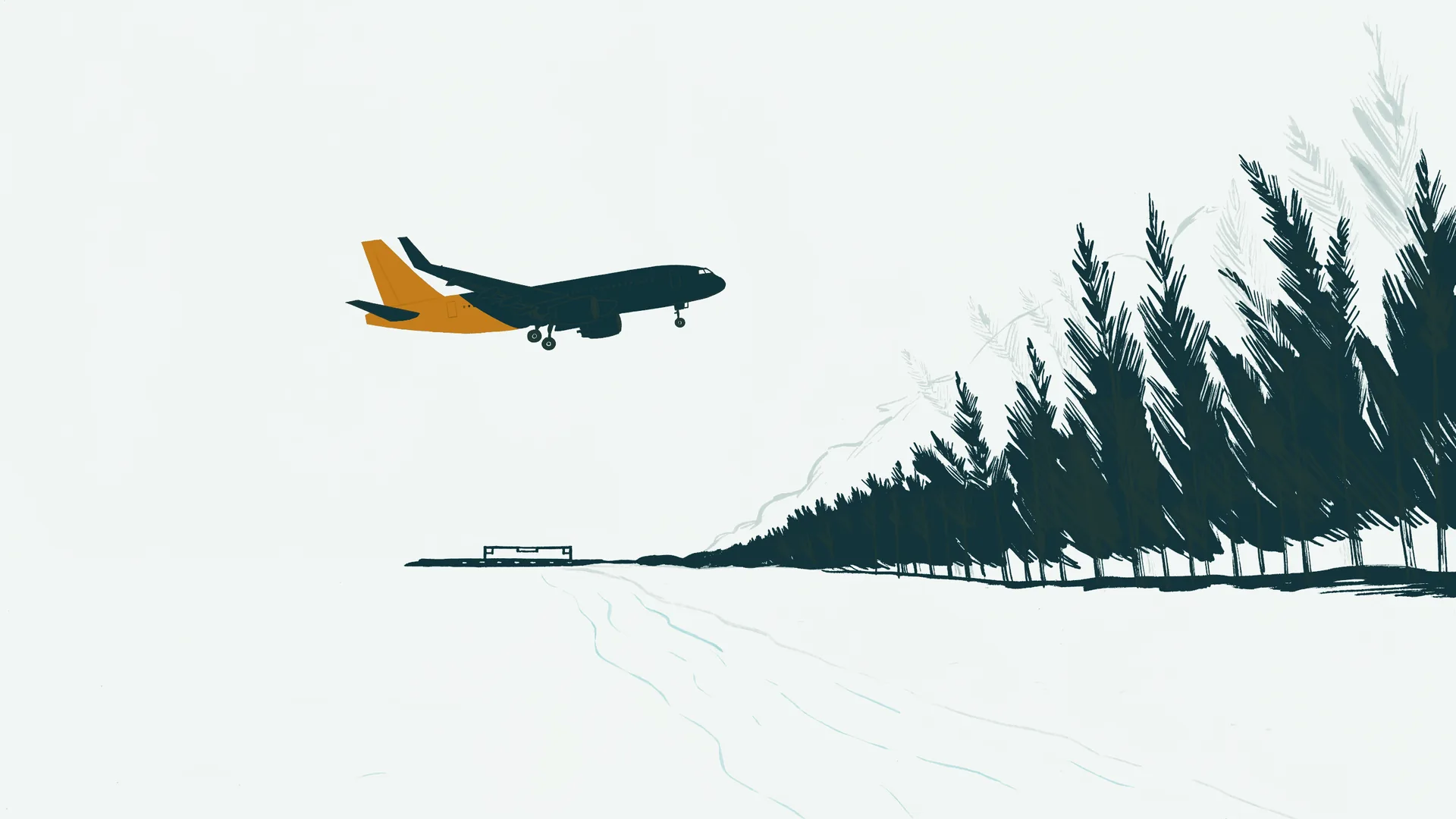
Eleven kilometres of near-empty sand; big resorts far apart, turtles in season.
- Best for
- quiet · luxury · families
- Nearest hospital
- Thalang Hospital (public, 20 min); Bangkok Hospital Phuket, about 45 min
- International schools nearby
- UWC Thailand (Thalang, 25 min)
The lie of the land
Mai Khao is the island's longest beach and its emptiest. It runs north from the airport almost to the Sarasin Bridge that connects Phuket to the mainland, eleven kilometres of sand backed by casuarina forest and, for most of its length, by nothing at all. The resorts that exist are large, self-contained and spaced a kilometre or more apart; between them is national park, a turtle conservation centre and the shrimp farms and rubber plantations of a district that was rural long before it was a resort.
It suits people who want a resort holiday with the resort's pools, restaurants and beach as the entire itinerary, families with small children who do not need anything beyond the hotel, and anyone who wants a week of doing nothing at all. It is the wrong choice for people who like to wander out for dinner, and it is not the choice for a first visit if you want to see the island.
Beach and sea
The beach is wide, steep and exposed. Even in high season the shore-break at Mai Khao is stronger than at the sheltered bays to the south, because there is no headland; the sand drops away quickly and a swimmer is in deep water within a few metres. The water is clear and the swimming is good on calm days, but this is not a paddling beach for toddlers at any time of year. Hotels post their own flags and lifeguards.
From May to October the surf is heavy and the rips are strong; red flags are the norm and the resorts steer guests to the pools. Sea turtles nest along the beach from roughly November to February, which is why it is national park and why lights and beach furniture are controlled; the Mai Khao Marine Turtle Foundation runs releases and the hotels take part. Do not drive on the sand or dig at night.
Where to stay
The hotels are almost all large four- and five-star resorts. JW Marriott Phuket Resort & Spa was the first and anchors the southern stretch; Anantara Mai Khao Phuket Villas, Sala Phuket Mai Khao Beach Resort and Renaissance Phuket Resort & Spa are spread north along the beach road, with a Marriott vacation club alongside. Splash Jungle water park and the small Turtle Village shopping arcade sit near the southern cluster.
There are a few guesthouses and small hotels in the villages inland, and a modest stock of villas in estates along the beach road and towards the Sarasin end, mostly mid-market houses rather than luxury properties. Condominiums are rare, and hostels do not exist here.
Eating out
Most guests eat in their resort, and the resorts are built for it, with several restaurants each. Outside the gates, the beach road has a scattering of Thai seafood restaurants and the Turtle Village arcade has a few cafés and a pub. Nai Yang village and its beach restaurants under the trees are ten minutes south and are the closest thing to a local night out.
Inland, the villages along the Thepkasattri Road have markets and the northern district's Thai-Muslim food. For a real choice of restaurants you go to Bang Tao, half an hour away, or Phuket Town, closer to an hour.
Getting around
Mai Khao is eight kilometres from the airport, about fifteen minutes by taxi to the southern resorts and twenty-five to the northern ones. Grab and Bolt work; drivers come from the airport rank. There is no Smart Bus along the beach road; the Airport Bus Express to Phuket Town leaves from the terminal.
The beach road is long and flat and the resorts are far apart, so walking between them is a project. A car is the practical choice for anyone who wants to leave the hotel; scooters are fine on the quiet beach road but the Thepkasattri highway is fast and busy. The Sarasin Bridge at the northern end leads to Phang Nga province and the road to Khao Lak.
Staying a month or longer
The monthly market is small: villas in the estates along the beach road and inland, a few townhouses near the villages, and some resort-managed residences that rent by the month in low season. It is priced below the west-coast bays and is occupied mainly by airport staff, people working at the resorts, and a few residents who wanted the emptiest beach on the island and found it.
Long-stayers here need a car and a taste for solitude. If a month or longer in the north appeals, the form below goes to VillaCarte; the stock is thin, so give the number of bedrooms and the month early.
The honest downsides
Remoteness is the defining drawback. Nothing is walkable, the beach road is dark at night, and a taxi to any of the southern beaches takes an hour or more. Evening choices outside the resort are one or two restaurants. Grab pickups can take twenty minutes.
The sea is the other one: the steep shore-break makes this the least child-friendly swimming beach on the island despite its family-resort branding, and the wet season closes it for weeks. Aircraft are audible at the southern end. And the resort bubble is real: a week here can pass without any contact with Phuket beyond the hotel staff, which is either the attraction or the problem.